Overview | History | Heritage significance | Plans & documents | Gallery | Current projects
A house designed to impress
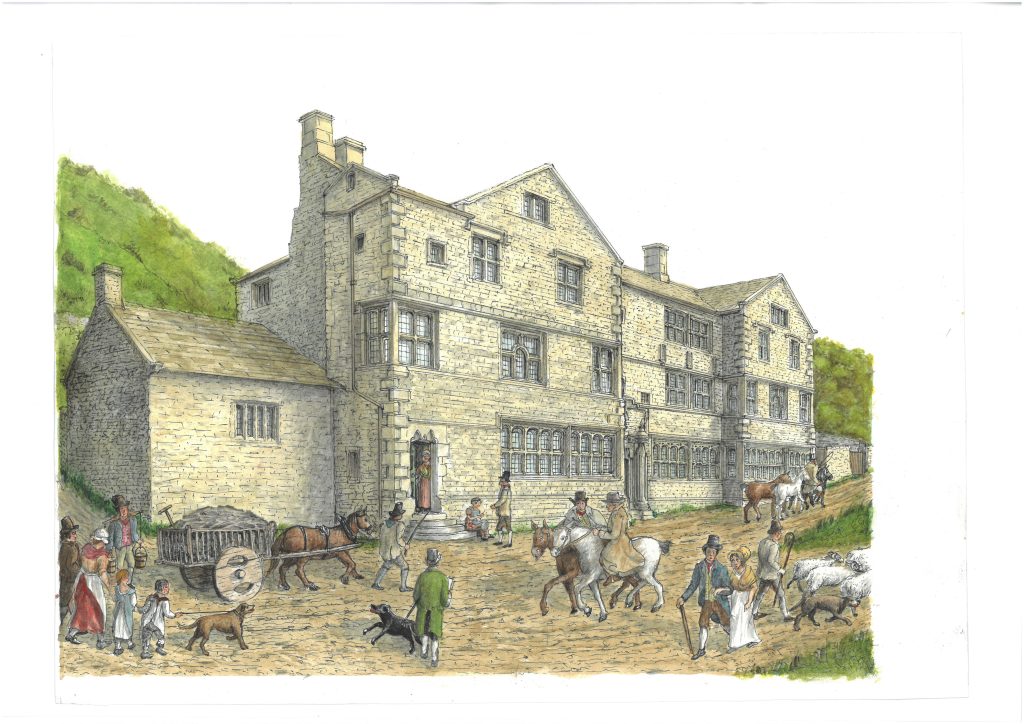
The Folly is one of Settle’s most remarkable historic buildings. This Grade I listed former gentry house was built in the late 1670s for Richard Preston, a prosperous local lawyer, and his wife Lettice.
Originally known as New Hall, the house stood in a prominent position beside the old main road into Settle from the south. With an open view across the Ribble valley, it would have been the largest and most imposing house in the town. Its distinctive three ranges, central tower and formal façade proclaimed the status of its owner, while providing both a family home and offices for Preston’s legal practice.
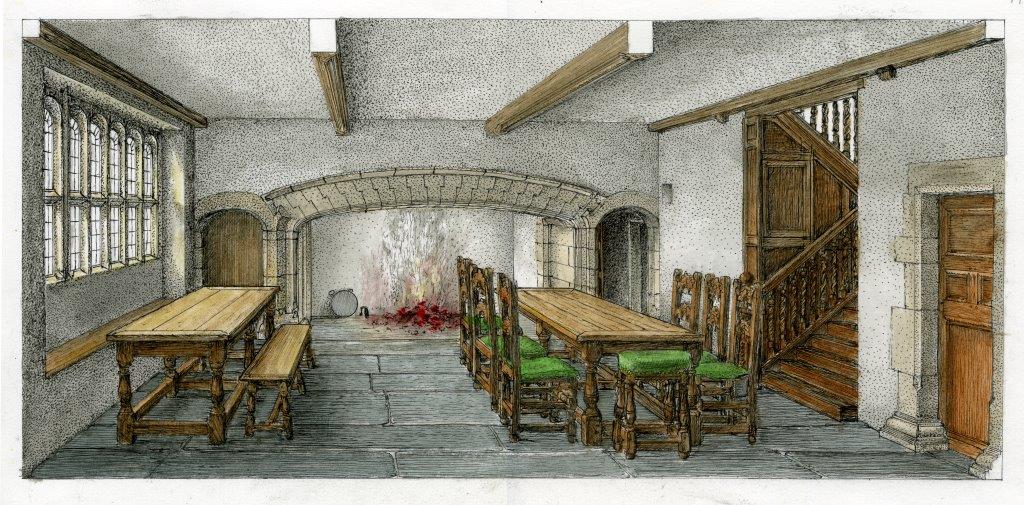
Richard and Lettice lived here with their three daughters, Margaret, Lettice and Millicent. When Richard died intestate in January 1696, his possessions and property were recorded in a detailed probate inventory. The Folly itself was valued at £200, while his complete estate, extending across several hundred acres in Settle and Langcliffe, was worth almost £1,500—a considerable fortune at the time.
From the Prestons to the Dawsons
The house passed to Richard Preston’s eldest daughter, Margaret, in 1702. She and her husband, Richard Ellershaw, vicar of Giggleswick, sold it to Margaret Dawson of Langcliffe Hall, who purchased it for her son William Dawson, another wealthy local lawyer and landowner.
The Folly remained in the Dawson family for more than two and a half centuries, although the Dawsons themselves lived principally at Langcliffe Hall. William Dawson may have had his legal practice at The Folly, but in 1708 he inherited a much larger estate from his grandfather and moved to Langcliffe. From the early eighteenth century, The Folly was leased to tenant farmers and became known as Settle Hall Farm.
The name “Preston’s Folly” first appears on John Coakley Lettsom’s 1765 map of Settle. Exactly when—and why—the house acquired its familiar name remains uncertain.
A building of many lives
As the house was divided between tenants, its rooms and ranges were adapted to meet the changing needs of the townsfolk. Parts remained in agricultural use into the early twentieth century, but The Folly also accommodated an extraordinary variety of people, trades and institutions.
Jane Ingham operated a bakery here during the mid-nineteenth century. Other occupants included a lodging-house keeper, a blacksmith and a marine-store dealer. For a time the building housed a school, and was later used by the Church of the Holy Ascension and as a parish hall. Refreshment rooms, a temperance hotel and Settle’s first fish-and-chip shop all traded from the premises.


The large house was often shared by several households. Census records show that 21 people were living here in 1871. Their stories reflect the wider social and economic history of Settle: a gentry residence had gradually become a place in which people lived, worked, traded and gathered.
Grisedale’s furniture business occupied most of The Folly for much of the twentieth century. It also temporarily housed a bank, a doctor’s surgery, and a National Trust information centre.

Decline and uncertainty
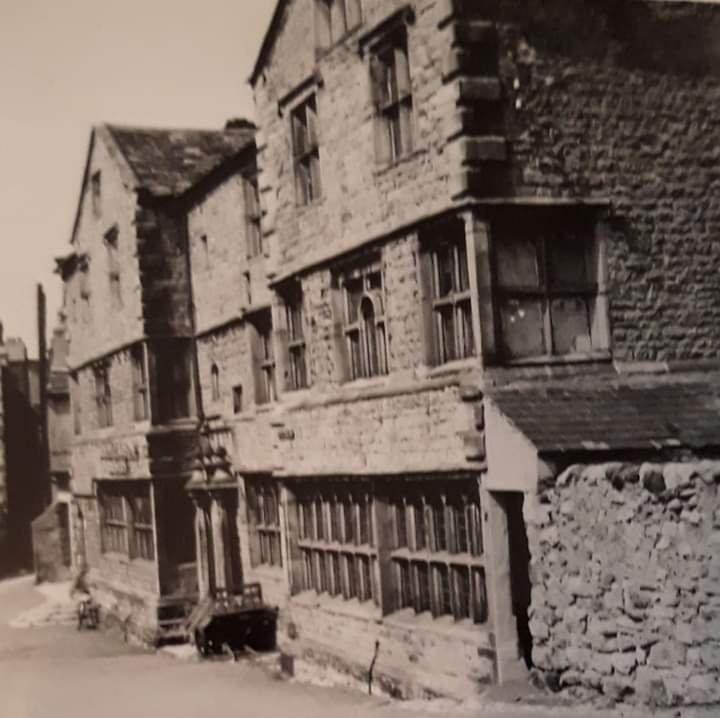
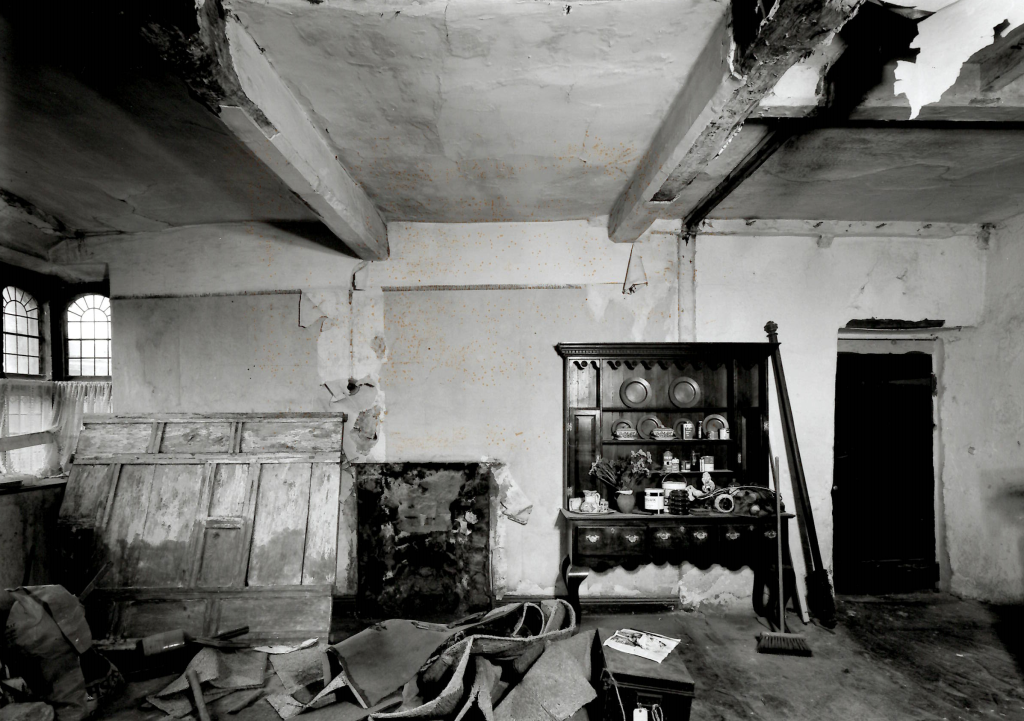
After The Folly was sold in 1983, it was used for a time as an antiques showroom. The building was divided into two properties in 1994, when the north range was sold for residential use. The central and south ranges remained empty and their condition continued to deteriorate. The future of one of Settle’s most important buildings was increasingly uncertain.
Philip Dawson was the last member of his family to own The Folly. He restored parts of the building and made his home here for about ten years, although other areas continued to be rented out and some remained in poor repair. He hoped that the house might eventually become Settle’s library or museum.
Rescue and restoration
In 1996, the North Craven Building Preservation Trust raised funds to purchase the central and south ranges. Its aim was to conserve The Folly, open it to the public and provide a permanent home for the Museum of North Craven Life.
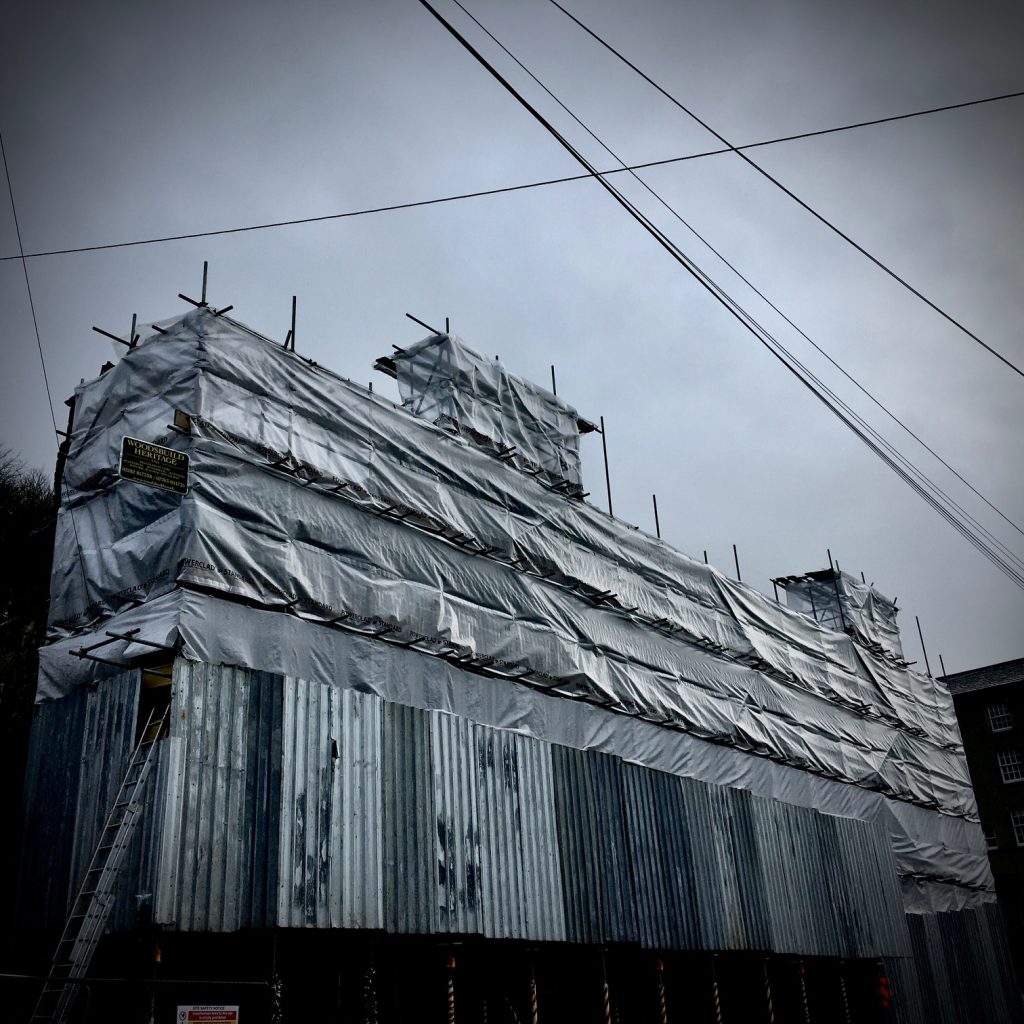
After several years of fundraising and planning, major restoration work began in June 2000. Structural timbers were strengthened, new oak floors laid and modern partitions removed. Original blue slate flags were uncovered on the ground floor, allowing earlier floor levels to be reinstated and access improved.
The restored building welcomed its first visitors in July 2001. In December that year, The Folly was formally opened by HM King Charles III, then HRH The Prince of Wales.
The Trust acquired the north range in 2010, bringing the whole building back into single ownership. The north range provided holiday accommodation until 2017 when the ground floor was converted into the Folly Coffee House, with office accommodation above.
Successive programmes of repair and conservation have continued the long task of caring for this complex building. Today, The Folly is the headquarters of the North Craven Building Preservation Trust and the home of the Museum of North Craven Life—fulfilling Philip Dawson’s hope that this exceptional house might one day serve the community as a museum.
